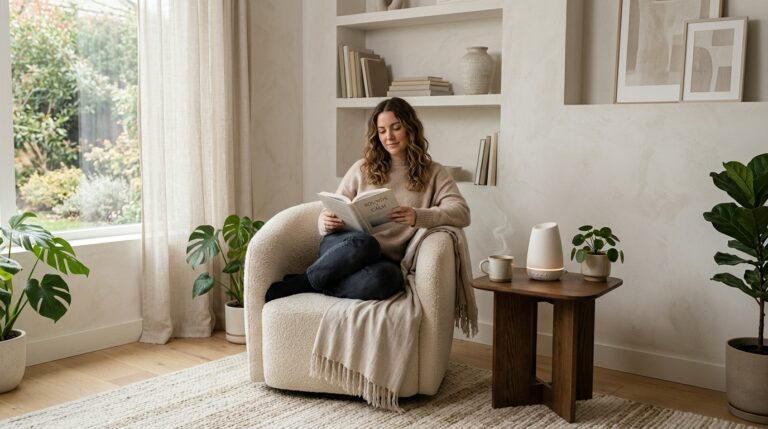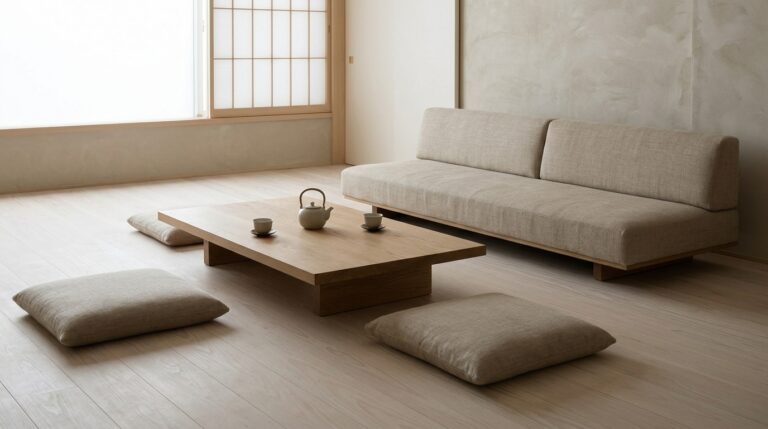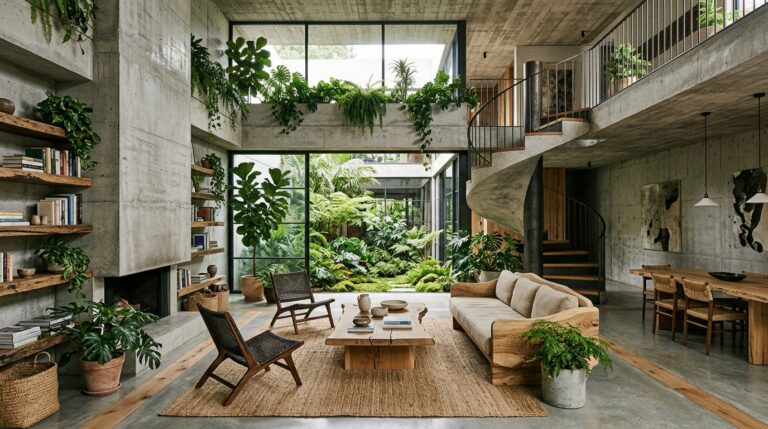




You sit in a room that looks perfectly arranged, colors balanced, furniture aligned, but still something feels off, like the space is quietly restless even when nothing is happening. That’s where white noise in interior design starts making sense, even if it sounds a bit technical or unnecessary at first. You’re not just decorating what you see, you’re adjusting what you hear, and weirdly that changes how the whole room feels.
What White Noise Means Inside A Designed Space
Most people think white noise is only for sleep, like a small machine you switch on at night and forget about. But in interior sound design, it’s more about controlling the environment so your brain isn’t reacting to every tiny unpredictable sound around you. It creates a consistent layer in the background, something steady that reduces those sudden interruptions your mind keeps catching.
In open office spaces, distraction can be a major problem. Calls, phones and ambient sounds ensure that concentration is interrupted every time. White noise helps to prevent this by adding a soft, constant layer of sound that masks these distractions. As a result, the noise level remains stable and employees experience more rest. In combination with acoustic wall panels or ceiling elements, white noise can be an effective way to optimize acoustics in dynamic workspaces.
https://www.akoesta.com/en/blog/white-noise
There are studies showing that consistent background noise can improve sleep quality and reduce disturbances, especially in environments where random noise is unavoidable. That means your room might look calm, but unless the sound layer is stable, your brain doesn’t fully relax. That mismatch between visual calm and acoustic chaos is more common than people think.
Why Your Room Feels Noisy Even When It Looks Quiet.
You might not notice it right away, but your room is rarely silent. There’s always something happening, distant traffic, ceiling fan hum, small electrical buzz, even subtle echoes bouncing around the walls. These sounds are low level, but your brain keeps processing them in the background, which builds up a kind of hidden tension.
I once sat in a room that felt completely fine until I actually paid attention, then suddenly a ticking clock became impossible to ignore. That’s when it hits you, the room wasn’t quiet, it was just unpredictable. That unpredictability is what makes spaces feel mentally noisy, even when visually they seem calm.
According to some neuroscientists and philosophers humans have, not five, but rather somewhere between 22 and 33 senses. Among our lesser-known senses are proprioception, which describes our ability to recognize our bodies in space, thermoception, which enables us to sense heat, and nociception, the perception of pain.
Despite our great sensory abilities, we often end up shaping the world around us almost exclusively to please the eye. Our culture prioritizes vision over other senses, even though the way we interact with our surroundings affects all of our senses.
https://turf.design/inspiration/acoustics-for-sustainable-design-and-well-being
How White Noise Actually Fixes That Problem
White noise interior design works by masking those unpredictable sounds, creating a smooth background layer so nothing spikes your attention suddenly. Instead of chasing silence, which is almost impossible in most homes, you create consistency. That consistency is what your brain responds to, not the absence of sound.
This approach is used in places like hospitals and offices where reducing distraction is important. The idea is simple, if the background remains stable, your brain stops reacting to every small change. In a home setting, this translates into a calmer environment where you don’t feel constantly interrupted without knowing why.
Sound Absorbing Decor Changes Everything Quietly
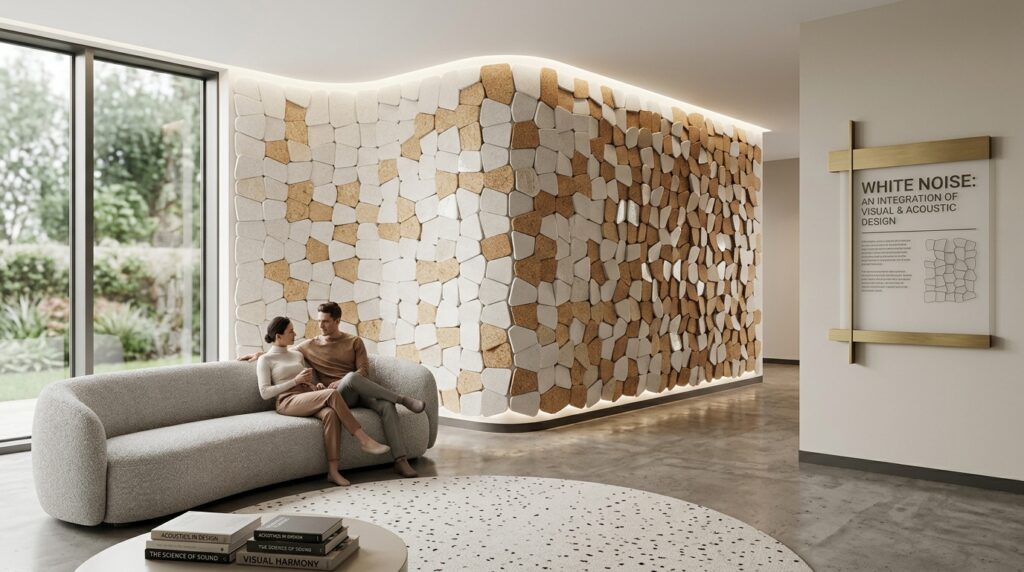
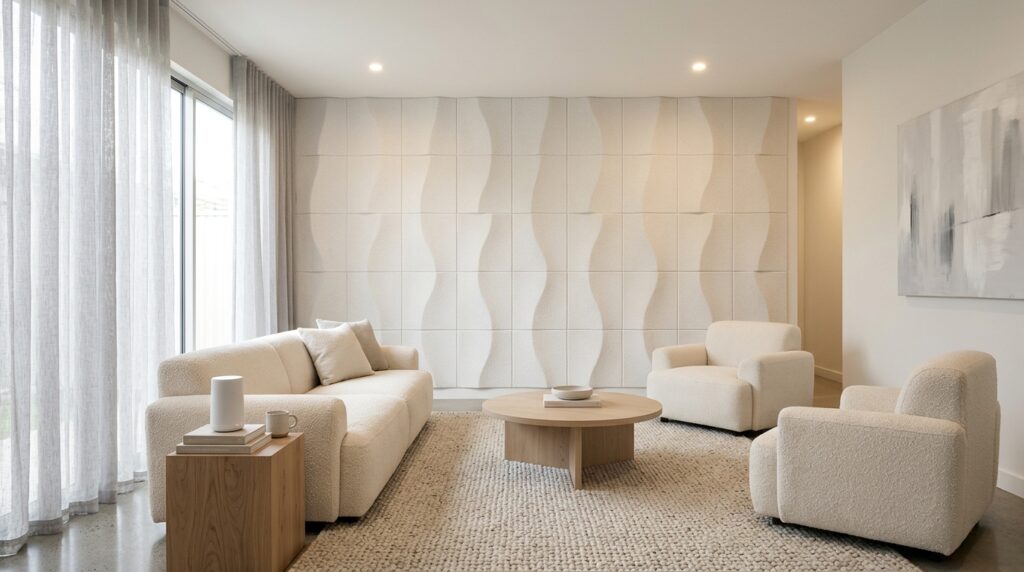
This is where design and acoustics overlap in a way most people overlook. Hard surfaces like tiles, glass, and bare walls reflect sound, which makes even small noises sharper and more noticeable. Soft materials like rugs, curtains, upholstered furniture, and fabric panels absorb sound, reducing echo and harshness.
When you introduce sound absorbing decor, you’re not just improving aesthetics, you’re adjusting how sound behaves in the room. A space with softer surfaces feels calmer because the sound isn’t bouncing around aggressively. Even adding a simple rug or thicker curtains can noticeably soften the acoustic environment.
Choosing White Noise Sources That Fit Your Space
You don’t want a bulky or distracting device sitting in your room, so your white noise machine or sound source should blend in naturally. Minimal speakers, subtle diffusers with built in sound, or even hidden devices can work well depending on your setup.
The goal is to make the sound feel like part of the environment, not something separate. If the device becomes visually dominant, it breaks the experience. The best setups are the ones you don’t actively notice, they just exist quietly in the background.
Layered Sound Feels More Natural Than Single Noise
Relying on a single constant tone can sometimes feel mechanical, even if it’s technically effective. Layered sound, like combining a fan, soft ambient tracks, or subtle nature sounds, creates a more organic experience. Your brain tends to accept layered sound more easily because it resembles real environments.
In acoustic interior design, layering is often preferred because it reduces the artificial feel of a single noise source. It’s like the difference between a flat hum and a gentle mix of background elements that feel alive but not distracting. That subtle difference can change how comfortable a space feels over time.
Placement Matters More Than You Expect
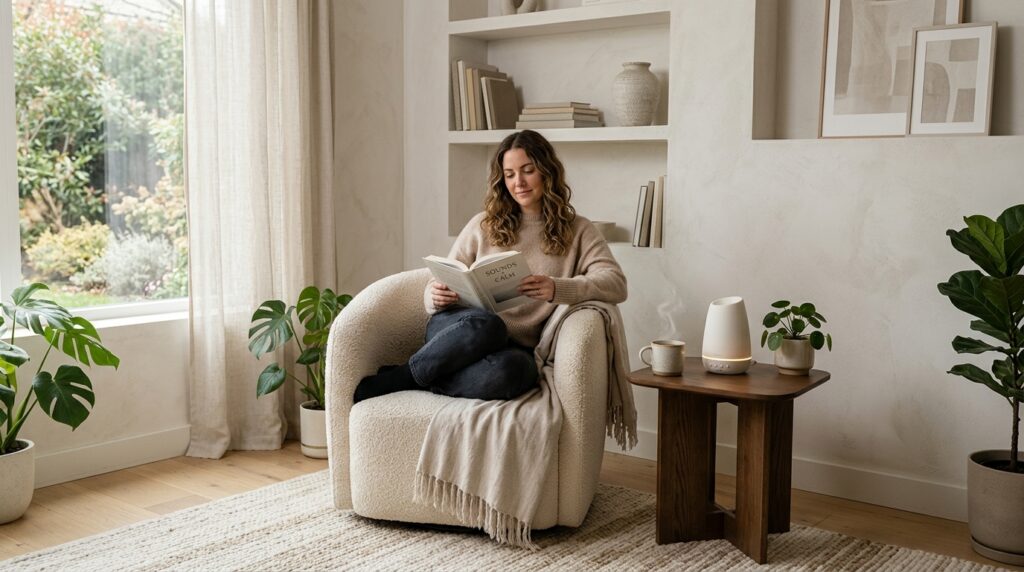
Where you place your sound source plays a big role in how effective it feels. If it’s too close, the sound becomes noticeable and even irritating. If it’s too far, it loses its ability to mask other noises properly.
Ideally, your white noise source should sit slightly away from your main seating or sleeping area, allowing the sound to spread evenly. I once placed a device too close to my bed and it felt overwhelming, moving it just a bit further made it blend into the room instead of standing out.
Natural Sounds Work Better For Many People
While artificial white noise works well, many people find nature based sound design more comfortable. Sounds like rainfall, ocean waves, or wind tend to feel more familiar and less mechanical, which helps the brain relax more naturally.
Research in environmental psychology suggests that natural sounds can improve mood and even cognitive performance. That’s probably why something like rain noise feels calming almost instantly, it doesn’t feel forced or artificial, it just fits.
Why Silence Isn’t Always The Goal
A lot of people assume that complete silence equals calm, but that’s not always the case. In a completely silent room, even the smallest sound becomes noticeable, which can actually increase irritation instead of reducing it.
That’s why white noise for sleep works so effectively. It fills in the gaps, so sudden noises don’t stand out. In most modern homes, especially in busy areas, achieving perfect silence isn’t realistic anyway, so controlled sound becomes a better solution.
Common Mistakes That Break The Effect
One of the biggest mistakes is using white noise that’s too loud. It should sit in the background, not dominate the space. Another issue is choosing high pitched or sharp tones, which can feel uncomfortable over time.
Ignoring the room’s acoustics is another common problem. If the room has too many reflective surfaces, the sound won’t behave properly and can feel artificial. Also, expecting immediate results can lead to frustration, sometimes your brain needs a bit of time to adjust to a new sound environment.
How You Can Start Without Overthinking It
You don’t need a complex setup to begin. Start with a single sound source, something simple and subtle. Adjust the volume slowly until it blends into the background rather than standing out.
Then observe how the room feels, not just how it sounds. If the space still feels sharp or echoey, add a soft surface like a rug or curtain. Make small adjustments over time instead of trying to perfect everything at once.
Why This Feels Subtle But Changes Everything
This approach doesn’t create a visible transformation, which is why many people overlook it. There’s no dramatic visual shift, nothing that immediately stands out when you walk into the room.
But you feel it. Your mind stops reacting to every little sound, your attention settles, and the room feels calmer without looking different. That’s the quiet impact of white noise in interior design, it works in the background, shaping your experience without asking for attention.